

Den grønlippede musling (Perna canaliculus) er en skaldyr, der er endemisk i New Zealands kystfarvande, og som har været genstand for vedvarende videnskabelig interesse siden 1970'erne. Dens usædvanligt rige og varierede ernæringsprofil — der kombinerer omega-3-fedtsyrer, glycosaminosyrer Glycan, vitaminer, og spormineraler i en enkelt helføde-matrix — har gjort den til genstand for løbende forskning i forbindelse med muskuloskeletal sundhed. Her er et grundigt og faktuelt omhyggeligt kig på, hvad denne skaldyr indeholder, hvad beviserne faktisk viser, og hvad du bør vide, før du overvejer kosttilskud.
Hvad er den grønlippede musling?
Perna canaliculus tilhører familien Mytilidae — samme familie som den almindelige blåmusling, men er betydeligt større. Voksne eksemplarer kan blive op til 24 cm lange. Arten kan let genkendes på sin karakteristiske skalfarve: en brun-grøn yderside med en karakteristisk grøn kant langs læben — herfra stammer både dens almindelige navn og det beskyttede varemærke Greenshell™, under hvilket newzealandske akvakulturvirksomheder eksporterer arten til hele verden. New Zealands grønlæbet muslingindustri genererer årligt over 300 millioner NZD i eksportværdi, hvilket gør den til et af landets mest betydningsfulde akvakulturprodukter.
Den videnskabelige og kommercielle interesse for muslingen blev oprindeligt udløst af antropologiske observationer. Forskere i 1960'erne og 70'erne bemærkede, at kystnære maori-befolkninger — hvis traditionelle kost indeholdt grønlæbede muslinger som en fast bestanddel — syntes at have lavere forekomst af visse ledproblemer end maori-samfund inde i landet, der ikke spiste dem. Selvom observationsdata af denne art ikke kan fastslå årsagssammenhæng, udgjorde de udgangspunktet for laboratorie- og klinisk forskning i muslingens bioaktive bestanddele.
Ernæringsmæssig sammensætning
Grønlæbet muslingekstrakt har en usædvanlig omfattende ernæringsprofil for en enkelt naturlig ingrediens. Dens vigtigste bestanddele omfatter:
- Omega-3-fedtsyrer — herunder EPA (eicosapentaensyre) og DHA (docosahexaensyre), samt furanfedtsyrer, der er unikke for marine skaldyr, og som er genstand for løbende forskning
- Glycosamino Glycan's (GAG'er) — herunder glukosamin og chondroitinsulfat, som er naturlige komponenter i ledbrusk og ledvæske i den menneskelige krop
- Vitaminer — A, C, D, E, og et komplet B-kompleks (B1, B2, B3, B5, B6, B12)
- Mineraler — zink, jern, selen, calcium, fosfor, kalium, og jod
- Aminosyrer, steroler, og fosfolipider
Det er kombinationen af disse komponenter — især tilstedeværelsen af omega-3-fedtsyrer og glycosaminosyrer Glycan — der adskiller grønlæbet musling fra kosttilskud, der er målrettet mod individuelle bestanddele såsom fiskeolie eller glucosamin alene. Lipidfraktionen anses generelt for at være den mest farmakologisk aktive komponent, og ekstraktionsmetoden har en betydelig indflydelse på, hvilke lipidityper og koncentrationer der bevares i det endelige produkt.
Hvad viser forskningen?
Grønlæbet musling er blevet undersøgt i kliniske forsøg i flere årtier, og et stigende antal systematiske gennemgange og metaanalyser har undersøgt den tilgængelige dokumentation. En metaanalyse fra 2020, der blev offentliggjort i Inflammopharmacology, og dækkede ni kliniske forsøg, rapporterede en beskeden positiv effekt i de undersøgte parametre. Imidlertid, bemærkede forfatterne konsekvente metodologiske begrænsninger på tværs af de inkluderede studier: små stikprøvestørrelser, heterogene ekstraktpræparater, variable doseringsprotokoller, og korte opfølgningsperioder.
Det er vigtigt at forstå dette nuancerede billede klart: grønlæbet musling har ikke godkendte sundhedsanprisninger i Den Europæiske Union. Den Europæiske Fødevaresikkerhedsautoritet har ikke godkendt specifikke sundhedsanprisninger for denne ingrediens, hvilket betyder, at producenter af kosttilskud på EU-markedet er lovmæssigt forhindret i at tilskrive den specifikke sundhedsmæssige fordele på produktetiketter eller i markedsføringsmateriale. Dette betyder ikke, at ingrediensen er ineffektiv — det betyder, at den nuværende evidensbase ikke opfylder EFSA's tærskel for godkendte anprisninger. Forskningen fortsætter, og det videnskabelige samfund er fortsat interesseret.
Former for tilskud
Grønlæbet musling fås i flere forskellige produktformater, hver med forskellige egenskaber:
- Kapsler og tabletter — det mest praktiske orale format. Produkterne indeholder typisk 100–500 mg ekstrakt eller frysetørret (lyofiliseret) pulver pr. kapsel. Lyofilisering — frysetørring — bevarer muslingens fulde næringsprofil uden varmeskader, som kan nedbryde varmefølsomme lipider og enzymer. Dette anses generelt for at være den bedst bevarede form.
- Topiske balsamer og salver — påføres direkte på huden ved massage. Disse produkter kombinerer muslingekstrakt med planteolier og andre topisk aktive ingredienser. Enhver opvarmende eller afkølende fornemmelse efter påføring stammer fra tilsatte forbindelser såsom menthol eller kamfer, ikke fra muslingekstraktet i sig selv.
- Pulver og flydende ekstrakter — mindre almindelige formater, der undertiden anvendes som ingredienser i sammensatte kosttilskud eller som tilsætningsstoffer til kæledyrsfoder.
Når du vælger et kosttilskud, skal du være opmærksom på forarbejdningsformen ((frysetørret ekstrakt vs. lipidekstrakt)), mængden af ekstrakt pr. kapsel, og producentens kvalitetsdokumentation. Lipidekstraktformen (, såsom det kommercielt udviklede PCSO-524-format), isolerer specifikt fedtsyrefraktionen, mens hele frysetørrede præparater bevarer skaldyrets komplette ernæringsmatrix.
Grønlæbet musling-kosttilskud hos Medpak
Vi fører grønlæbet musling i både form af orale kapsler og topisk balsam fra etablerede europæiske producenter. Sanct Bernhard tilbyder et koncentreret frysetørret ekstrakt i både 150- og 300-kapselsformater til længerevarende tilskud, sammen med en salve til udvortes brug, der kombinerer muslingekstrakt med yderligere ingredienser:

Sanct Bernhard
Sanct Bernhard Grønlæbet muslingekoncentrat 500 mg - 300 kapsler
Vejledende pris 263,79 krEnhedspris0,88 kr pr. stk.


Swanson
Swanson Grønlæbet musling 500 mg - 60 kapsler
Vejledende pris 65,99 krEnhedspris1,10 kr pr. stk.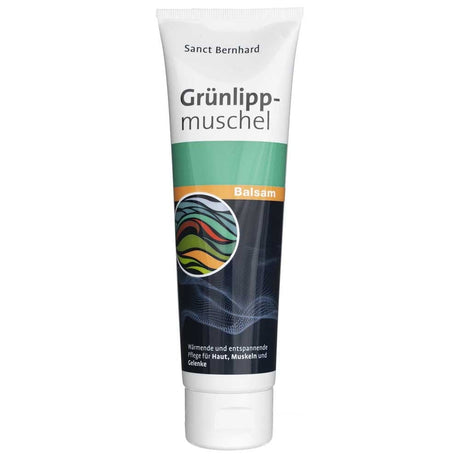


Sanct Bernhard
Sanct Bernhard Grønlæbet muslingebalsam - 150 ml
Vejledende pris 84,09 krEnhedspris56,06 kr /100ml


Grønlæbet musling i sammenhæng med støtte til led og bevægeapparat
Grønlæbet musling bruges ofte sammen med — eller sammenlignes med — andre kosttilskud, der er forbundet med led- og bruskhelbred. Det er nyttigt at forstå, hvor den står i forhold til disse mere veletablerede ingredienser:
- Glucosamin og chondroitin — de mest omfattende undersøgte ledkosttilskud, med EFSA-gennemgået dokumentation og en lang klinisk historie. De er naturlige komponenter i brusk og ledvæske. Grønlæbet musling indeholder begge dele i sin glycosamin-fraktion Glycan, dog i lavere koncentrationer end dedikerede glukosamin-/kondroitintilskud.
- Omega-3-fedtsyrer (fiskeolie) — EPA og DHA har EU-godkendte sundhedsanprisninger for normal hjertefunktion. De antiinflammatoriske mekanismer ved omega-3-fedtsyrer er veldokumenterede. Grønlæbet musling leverer marine omega-3-fedtsyrer, men i lavere absolutte mængder end et koncentreret fiskeolie-kosttilskud.
- Kollagen — undersøgt for støtte til brusk og bindevæv med en voksende evidensbase.
For dem, der søger målrettet kosttilskud til knogle- og ledhelbred gennem disse bedre etablerede ingredienser, tilbyder vores knogler, led og brusk-kollektionen tilbyder et bredt udvalg af glukosamin, chondroitin, og kollagenbaserede produkter fra pålidelige mærker:
Doctor's Best
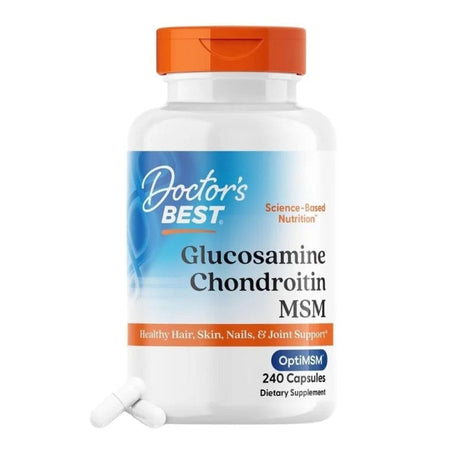
Doctor's Best Glucosamin Chondroitin MSM med OptiMSM - 240 vegetabilske kapsler
Vejledende pris 382,49 krEnhedspris1,59 kr pr. stk.


Now Foods
Now Foods Glucosamin '1000' - 60 vegetabilske kapsler
Vejledende pris 101,09 krEnhedspris1,68 kr pr. stk.


Swanson
Swanson Glucosamin, Chondroitin & MSM - 120 tabletter
Vejledende pris 123,99 krEnhedspris1,03 kr pr. stk.


Til omega-3-tilskud fra marine kilder, vores fiskeolie og omega-3-kollektion omfatter muligheder, der spænder fra standard fiskeolie til højkoncentrerede EPA/DHA-formler.
Praktiske overvejelser
Grønlæbet musling er et kosttilskud, der primært appellerer til folk, der foretrækker en helfødevare-ingrediens fra havet — en, der leverer flere relevante bestanddele i et enkelt produkt — frem for isolerede forbindelser. Den har en lang historie bag sig inden for naturlig sundhedspraksis og er fortsat genstand for forskning. Samtidig, er det vigtigt at gå ind i kosttilskuddet med realistiske forventninger: dette er ikke et kosttilskud med dokumenterede, EU-godkendte sundhedsanprisninger, og virkningerne er sandsynligvis gradvise og kumulative snarere end øjeblikkelige.
Mulige bivirkninger i mave-tarmkanalen — kvalme, oppustethed, løs afføring, eller halsbrand — rapporteres lejlighedsvis, især ved højere doser. Indtagelse af kosttilskuddet sammen med mad mindsker typisk ubehag i mave-tarmkanalen. Hvis bivirkningerne vedvarer, skal du reducere dosis eller stoppe med at tage produktet og konsultere en sundhedsperson.
Denne artikel er kun til information og erstatter ikke lægelig rådgivning. Hvis du har helbredsproblemer, er gravid, ammer eller tager medicin, så kontakt en læge eller et apotek. Kosttilskud er ikke en erstatning for en varieret kost.


