

Psoriasis er en kronisk, autoimmun, inflammatorisk hudsygdom, der rammer ca. 2–3 % af verdens befolkning. Den er kendetegnet ved en accelereret celleomsætning i epidermis — i sund hud tager cellefornyelsescyklussen 28–30 dage; ved psoriasis reduceres denne til 3–7 dage — hvilket skaber den karakteristiske ophobning af celler, der danner hævede, skællende pletter på hudens overflade. Det er ikke smitsomt. Det kan ikke overføres fra person til person. Og selvom det primært manifesterer sig på huden, er psoriasis en systemisk inflammatorisk tilstand, der kan påvirke led, hjerte-kar-sundhed og mentalt velbefindende. At forstå det klart er grundlaget for at håndtere det effektivt.
Hvad forårsager psoriasis?
Psoriasis opstår som følge af et samspil mellem genetisk disposition og dysregulering af immunsystemet. Den immunologiske komponent involverer overaktive T-lymfocytter, der fejlagtigt genkender sunde hudceller som fremmede, hvilket udløser frigivelsen af proinflammatoriske cytokiner (, herunder TNF-α, IL-17, og IL-23). Disse driver den accelererede celledeling og den inflammatoriske kaskade, der producerer psoriasisplakker.
Genetiske faktorer spiller en væsentlig rolle: hvis den ene forælder har psoriasis, er risikoen for et barn ca. 10–20 %; hvis begge forældre er ramt, stiger den til omkring 50 %. Mere end 60 gener er blevet forbundet med modtagelighed for psoriasis TiB, hvor HLA-Cw6 er identificeret som særligt relevant.
Genetisk disposition alene afgør ikke, om psoriasis udvikler sig. Eksterne udløsende faktorer spiller en central rolle i at igangsætte eller forværre tilstanden:
- Infektioner — især streptokokinfektioner i halsen, som ofte udløser guttatpsoriasis hos børn og unge voksne
- Psykisk stress — en af de mest konsekvent rapporterede udløsende og forværrende faktorer
- Hudtraumer — ridser, forbrændinger, eller insektbid kan udløse nye pletter på skadestedet (Koebner-fænomenet)
- Visse lægemidler — betablokkere, lithium, malariamedicin, og NSAID'er kan fremprovokere eller forværre psoriasis
- Koldt, tørt vejr — forklarer, hvorfor mange mennesker med psoriasis oplever bedring om sommeren og forværring om vinteren
- Alkohol og rygning — begge dele øger sygdommens sværhedsgrad betydeligt og mindsker responsen på behandlingen
- Metaboliske faktorer — fedme, metabolisk syndrom, og diabetes er forbundet med mere alvorlig psoriasis
Typer, Symptomer og diagnose
Psoriasis vulgaris (plaque-psoriasis) udgør ca. 80–90 % af tilfældene. Det viser sig som velafgrænsede, hævede røde pletter dækket af sølvhvide skæl, oftest på albuerne, knæene, lænden, og hovedbunden. Andre typer omfatter guttatpsoriasis (små dråbeformede læsioner, ofte efter infektion), invers (flexural) psoriasis i hudfolder, pustuløs psoriasis, og erytrodermisk psoriasis — den mest alvorlige form, der dækker det meste af kroppens overflade og kræver akut hospitalsindlæggelse.
Psoriasis i neglene (, der forekommer hos ca. 50 % af patienterne), forårsager fordybninger, misfarvning, fortykkelse, og onycholyse af neglepladen. Psoriasisartrit udvikler sig hos ca. 30 % af personer med psoriasis, og forårsager ledsmerter, hævelse, stivhed, og potentielt permanent ledskade, hvis det ikke behandles. Hvis du har psoriasis og udvikler ledsymptomer, er en tidlig reumatologisk vurdering vigtig.
Diagnosen er primært klinisk — en erfaren Derma tolog kan normalt diagnosticere psoriasis alene ud fra en undersøgelse, hjulpet af karakteristiske tegn, herunder Auspitz-tegnet (punktformet blødning efter fjernelse af skæl). Hudbiopsi, laboratorieundersøgelser, eller billeddiagnostik er lejlighedsvis nødvendigt for at bekræfte diagnosen eller udelukke andre tilstande.
Medicinsk behandling: Et overblik
Dette afsnit giver en kort orientering om de medicinske behandlingsmuligheder. Alle beslutninger om behandling bør træffes i samarbejde med en Derma-specialist.
Topiske behandlinger (til mild-til-moderat sygdom) omfatter kortikosteroider, vitamin D3-analoger (calcipotriol), retinoider, calcineurinhæmmere, og salicylsyrepræparater. De er effektive, når de anvendes korrekt, men kræver lægelig vejledning om passende produkter, koncentrationer, påføringssteder, og varighed af brugen.
Fototerapi — især smalbånds-UVB — er en veletableret og yderst effektiv behandling af moderat psoriasis, der kræver 2–3 sessioner om ugen i flere måneder under Derma tologisk overvågning.
Systemiske lægemidler (methotrexat, ciclosporin, acitretin, apremilast) anvendes til moderat til svær sygdom. Alle kræver overvågning og regelmæssig opfølgning.
Biologiske behandlinger — monoklonale antistoffer rettet mod TNF-α, IL-17, og IL-23 — udgør et stort fremskridt for patienter med svær eller behandlingsresistent psoriasis, hvor der ofte opnås næsten fuldstændig hudrensning. De kræver recept fra en specialist og overvågning.
Daglig hudpleje: Hvad gør en forskel
Konsekvent daglig hudpleje er en af de mest effektive ting, en person med psoriasis kan gøre uden for den medicinske behandling. De vigtigste mål er at opretholde hudbarrierens integritet, reducere tørhed og skæl, og minimere friktion og irritation.
Blødgørende midler og fugtighedscremer bør påføres mindst to gange dagligt — tykkere cremer eller salver foretrækkes frem for lette lotioner til psoriasis. Det bedste tidspunkt at påføre dem er umiddelbart efter badet, mens huden stadig er let fugtig. Vælg parfumefri, og farvestoffri formuleringer. Ingredienser, du skal kigge efter, inkluderer urea (til reduktion af skæl), glycerin, omega-fedtsyrer, ceramider, og sheasmør. Det er almindeligt kendt, at bade med salt fra Det Døde Hav (2–3 gange om ugen) lindrer kløe og skæl.
Til rensning: Brug lunkent vand frem for varmt vand, hold brusebad eller bad kort (10–15 minutter), og brug milde, sulfatfrie rensemidler eller blødgørende badeprodukter. Tør huden ved at duppe den med et blødt håndklæde i stedet for at gnide. Ved psoriasis i hovedbunden, kan medicinske shampooer indeholdende tjære, salicylsyre, eller zinkpyrithion anvendes mellem kliniske behandlinger.
Topiske produkter til psoriasis-udsat hud hos Medpak
Vi fører flere topiske produkter, der er specielt formuleret til psoriasis-udsat, eksem-udsat, og reaktiv hud:


Hermz
Hermz Healpsorin Psoriasis- og eksemcreme - 50 ml
Vejledende pris 154,29 krEnhedspris308,58 kr /100ml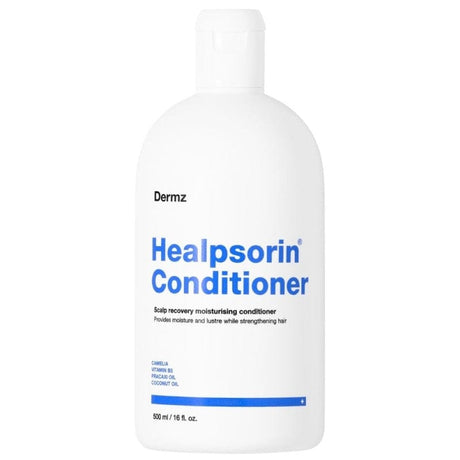


Hermz
Hermz Healpsorin hårbalsam til psoriasis - 500 ml
Vejledende pris 173,49 krEnhedspris346,98 kr /l


Cannaderm
Cannaderm Atopos creme til AD og psoriasis - 75 g
Vejledende pris 85,59 krEnhedspris114,12 kr /100g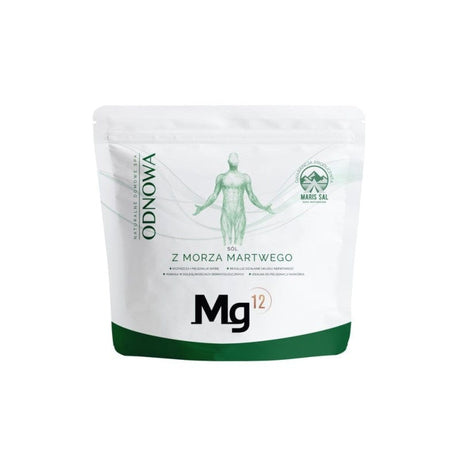


Livsstilsfaktorer med størst indflydelse
Sideløbende med medicinsk behandling, viser flere livsstilsændringer konsekvent meningsfulde effekter på psoriasis-sygdomsaktiviteten:
- Vægtkontrol — fedtvæv er metabolisk aktivt og proinflammatorisk; selv et beskedent vægttab hos overvægtige personer kan reducere sværhedsgraden af psoriasis betydeligt og forbedre behandlingsresponsen
- Rygestop — rygning forværrer psoriasis betydeligt og reducerer responsen på behandlingen; dette er en af de mest virkningsfulde ændringer, der står til rådighed for berørte rygere
- Reduktion af alkoholindtag — alkohol forringer behandlingseffekten og er en direkte udløser for mange mennesker; reduktion eller afholdenhed anbefales
- Stresshåndtering — stress er en af de mest pålideligt identificerede udløsende faktorer; mindfulness, yoga, KBT, og regelmæssig fysisk træning har alle dokumenteret effekt på at reducere stressrelaterede forværringer af psoriasis
- Fysisk aktivitet — 30 minutters moderat motion 3–4 dage om ugen reducerer inflammatoriske markører, understøtter vægtkontrol, og forbedrer humøret
- Søvn — 7–8 timers god søvn understøtter hudens regenerering og immunregulering
Kosttilgang
En middelhavsinspireret kost — rig på fed fisk, grøntsager, olivenolie, bælgfrugter, og fuldkorn, og med et lavt indhold af forarbejdede fødevarer, rødt kød, og raffinerede kulhydrater — er generelt antiinflammatorisk og konsekvent forbundet med bedre resultater ved kroniske inflammatoriske tilstande, herunder psoriasis. Specifikke fødevarer med den stærkeste dokumentation for at reducere den inflammatoriske belastning omfatter fed fisk (for omega-3-fedtsyrer), farverige grøntsager og bær (for antioxidanter), olivenolie (for oleocanthal's COX-hæmmende virkning), samt fermenterede fødevarer (for mikrobiomdiversitet).
Fødevarer, der bør begrænses: alkohol, ultrapolerede fødevarer, fødevarer med højt indhold af raffineret sukker, og — for personer, der bemærker en personlig reaktion — gluten, mælkeprodukter, eller citrusfrugter. Madudløsere er meget individuelle og værd at holde øje med personligt.
Psykisk velbefindende
Psoriasis øger risikoen for depression, angst, og social tilbagetrækning betydeligt. Dette er ikke blot konsekvenser af at leve med en synlig lidelse — de samme inflammatoriske processer, der driver hudsymptomerne, påvirker også hjernefunktionen og humøret. Mange mennesker oplever, at psykologisk støtte – hvad enten det er terapi, støttegrupper, eller mindfulness-baserede tilgange – er lige så vigtig som fysisk behandling for at opretholde livskvaliteten med psoriasis. Hvis du kæmper med de psykologiske konsekvenser af psoriasis, er det en legitim og vigtig del af håndteringen af sygdommen at søge støtte.
Denne artikel er kun til information og erstatter ikke lægelig rådgivning. Hvis du har helbredsproblemer, er gravid, ammer eller tager medicin, så kontakt en læge eller et apotek. Kosttilskud er ikke en erstatning for en varieret kost.


