

Påsken er en af de mest madrige begivenheder i den polske madkalender. Når foråret kommer, fyldes køkkenerne med liv i form af forberedelser, der er gået i arv gennem generationer — langsomt gæret rugsurdej, duftende babka i ovnen, og det fælles påskemorgenbord, der er fyldt til randen med symbolske retter. Uanset om du allerede er bekendt med disse traditioner eller udforsker det polske køkken for første gang, er der noget virkelig givende ved at lave disse retter fra bunden.
Hvad er der på et polsk påskebord?
Hovedattraktionen ved den polske påske er søndagsmorgenmaden, som følger efter velsignelsen af en traditionel kurv kaldet święconka på den hellige lørdag. Kurven indeholder typisk æg, hvid pølse, salt, brød, og peberrod — hver med en symbolsk betydning knyttet til fornyelse og overflod efter fasten.
Æg forekommer i mange former på påskebordet: hårdkogte, fyldte, eller rørt ind i æggesalater. Żurek — en sur rugsuppe — serveret med hvid kiełbasa-pølse og et kogt æg er uden tvivl den mest karakteristiske påskeret i Polen. Ved siden af, byder bordet på forskellige pålæg og patéer tilberedt efter familieopskrifter, ledsaget af chrzan (friskrevet peberrod) og ćwikła (peberrod med rødbeder), som bryder fedmen fra det saltede kød. Et traditionelt smør- eller brødlamb — en formet borddekoration — pryder ofte bordet som et symbol på årstiden.
Søde bagværk afslutter måltidet: babka påskekage i sin høje, riflede form, mazurek (et fladt, mørdejskage med rigelig topping), cheesecake, og valmuefrøbrød (makowiec). Disse er kernen i det, der gør påskebagningen speciel.
Sådan laver du Żurek-surdej fra bunden
Żurek får sin karakteristiske syrlige dybde fra en fermenteret rugsurdej, der laves et par dage i forvejen. Processen er enkel — den kræver mere tålmodighed end dygtighed — og resultatet er en smag, man ikke kan genskabe med nogen færdiglavet erstatning.
Rugsurdej til Żurek
Ingredienser:
- 4 kopper filtreret vand
- 1 kop rugmel
- 3 fed hvidløg
- 2 laurbærblade
- 5 allehånde-bær
- 1 tsk salt
Fremgangsmåde:
- Vælg en ren glas- eller keramikkrukke på ca. 1,5 liter. Sørg for, at den er helt tør.
- Bland rugmelet og det filtrerede vand i krukken, og rør, indtil det er glat og klumpfrit.
- Knus de skrællede hvidløgsfed let og kom dem i krukken sammen med laurbærbladene, allehånde-bær, og salt. Rør det hele sammen.
- Dæk krukken til med et klæde, der holdes fast med en elastik, eller løst med et låg (– den må ikke lukkes lufttæt). Stil den på et varmt, mørkt sted i 4–5 dage. Du vil bemærke, at der dannes små bobler, og at der udvikler sig en behagelig syrlig duft — begge dele er tegn på, at gæringen er i gang.
- Efter 4–5 dage, skal du smage på starteren. Den skal være tydeligt syrlig og aromatisk. Sigt den gennem en fin sigte eller et osteklæde for at fjerne hvidløg, laurbærblade, og allehånde.
- Overfør den færdige starter til rene, lukkede flasker. Brug den straks eller opbevar den i køleskabet i op til flere uger.
Påskebabka — to opskrifter
Babka har fået sit navn efter sin høje, fyldige form, og bages traditionelt i en riflet ringform. Teksturen er blød og smuldrende, og den forbliver saftig i flere dage — hvilket er grunden til, at den ofte bages på den hellige lørdag og nydes gennem hele påskehelgen. Citron er den klassiske smagsgiver, der tilfører friskhed, som passer godt til den rige smag af æg og smør.
Begge versioner nedenfor er enkle at tilberede. Den klassiske opskrift bruger smør og æg; den veganske version erstatter dem med plantebaserede alternativer uden at gå på kompromis med konsistens eller smag.
Klassisk citronbabka
Ingredienser:
- 250 g blødt smør
- 2 kopper sukker eller erythritol
- 4 store æg
- 1 stor citron (saft og skal)
- 3 kopper hvedemel
- 2 tsk bagepulver
- 1 kop mælk
- En knivspids salt
Til glasuren: 1 kop flormelis + 2 spsk citronsaft
Fremgangsmåde:
- Bring alle ingredienser til stuetemperatur. Forvarm ovnen til 180 °C. Smør og mel en babkaform (med en kapacitet på ca. 2,5 liter).
- Pisk det bløde smør og sukkeret sammen, indtil det er lyst og luftigt. Tilsæt æggene et ad gangen, og rør godt efter hver tilsætning. Rør citronsaft og citronskal i.
- Sigt mel, bagepulver, og salt sammen i en separat skål. Vend forsigtigt den tørre blanding ind i den våde dej skiftevis med mælken, og rør, indtil det lige er blandet sammen — rør ikke for meget. Hæld dejen i den forberedte form og bag i 50–60 minutter, indtil den er gylden, og en spids, der stikkes ind i midten, kommer ud ren. Mens babkaen bager, piskes flormelis og citronsaft sammen, indtil det er glat. Juster konsistensen med mere saft eller sukker efter behov.
- Lad babkaen køle helt af, før den vendes ud og glaseres. Lad glasuren sætte sig, før den skæres ud.
Vegansk citronbabka
Ingredienser:
- 240 ml plantemælk (mandel- eller sojamælk fungerer godt)
- 1 stor citron (saft og skal)
- 80 ml neutral vegetabilsk olie (solsikke- eller rapsolie)
- 200 g rørsukker eller erythritol
- 1 tsk vaniljeekstrakt
- 250 g hvedemel
- 2 tsk bagepulver
- ½ tsk natron
- En knivspids salt
Til glasuren: 150 g flormelis + 2–3 spsk citronsaft
Fremgangsmåde:
- Forvarm ovnen til 180 °C. Smør en 2-liters babkaform let med olie og drys med mel, eller beklæd den med bagepapir.
- Pisk i en stor skål, plantemælk, citronsaft og -skal, olie, sukker, og vaniljeekstrakt sammen, indtil sukkeret er opløst.
- Sigt mel, bagepulver, natron, og salt ned i en separat skål. Vend gradvist de tørre ingredienser ind i den våde blanding, indtil den er glat og klumpfri.
- Hæld dejen i formen og bag i 45–55 minutter, eller indtil en spids kommer ud ren. Pas på ikke at bage for længe — tjek efter 45 minutter.
- Lav glasuren ved at blande flormelis med citronsaft til en glat, hældbar konsistens. Juster efter behov.
- Lad babkaen køle helt af, før den tages ud af formen og overhældes med glasuren. Pynt med citronskal, hvis det ønskes.
Naturlige sødestoffer til påskebagning
Begge ovenstående babka-opskrifter kan laves med almindeligt granulat eller med naturlige alternative sødestoffer. Erythritol er en af de mest praktiske erstatninger — det indeholder næsten ingen kalorier, hæver ikke blodsukkeret, og opfører sig meget ligesom sukker ved bagning (det opløses, cremes sammen med fedt, og brunes i ovnen). Xylitol er et andet alternativ med en lidt lavere glykæmisk indvirkning end sukker og en ren, neutral sødme. Til opskrifter, hvor en fyldigere, dybere smag foretrækkes — såsom mazurek eller valmuefrøbrød — tilføjer uraffineret rørsukker som mørkt muscovado en mild melasse-note. Udforsk vores fulde sortiment i vores kollektion af sund mad og ernæring.


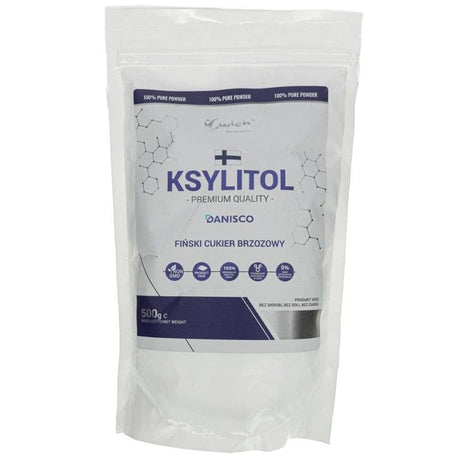
Wish Pharmaceutical
Wish Xylitol finsk birkesukker - 500 g
Vejledende pris 77,89 krEnhedspris155,78 kr /kg


Andre påskebagværk, der er værd at lave
Mazurek er en flad, sprød mørdejbund, der er generøst toppet med kajmak (karamel), marmelade, eller chokolade, og derefter dekoreret med nødder, tørret frugt, og sprøjtet glasur. Den er visuelt iøjnefaldende, hurtig at sammensætte (bunden bages på under 20 minutter), og holder sig godt i flere dage. Påskecheesecake (sernik) laves med polsk twaróg-friskost på en smørrig mørdejbund, smagfuldt tilsat citronskal og ofte drysset med rosiner. Dens tætte, cremede konsistens er ulig enhver anden europæisk cheesecake. Makowiec — valmuefrøsnegle — består af en gærdej viklet omkring en tæt, sød fyldning af malede valmuefrø med honning, nødder, og tørret frugt. Alle tre er værd at tilføje til en bageweekend; de holder sig godt og er nemme at tage med som gaver.
For ingredienser, opskriftsinspiration, og køkkenbasisingredienser til at støtte dine påskeforberedelser, kan du udforske vores madolier og eddiker samt grøntsager og superfoods-kollektioner til supplerende tilføjelser til spisekammeret.
Denne artikel er kun til information og erstatter ikke lægelig rådgivning. Hvis du har helbredsproblemer, er gravid, ammer eller tager medicin, så kontakt en læge eller et apotek. Kosttilskud er ikke en erstatning for en varieret kost.


