

De fleste husholdninger holder sig til de velkendte vaskemidler – vaskepulver, flydende vaskemidler, eller kapsler – lige så meget af vane som af overbevisning. Men et stigende antal mennesker i hele Europa skifter til vaskekugler, tiltrukket af deres miljøvenlighed, allergivenlige egenskaber, og lavere pris pr. vask. Hvis du aldrig har stødt på dem, er de værd at forstå: i den rette sammenhæng, udgør de et virkelig praktisk alternativ til konventionelle vaskemidler.
Hvad er en vaskekugle?
En vaskekugle — undertiden kaldet en økokugle — er en lille, perforeret plastkugle, der indeholder keramiske granulater. Granulatet består primært af mineralsalte (, calciumcarbonat, natriumcarbonat), milde ikke-ioniske overfladeaktive stoffer, og bindende harpikser. I modsætning til konventionelle syntetiske vaskemidler stammer disse ingredienser fra mineralske og vegetabilske kilder, hvilket gør dem allergivenlige og biologisk nedbrydelige. Mekanismen er enkel: ved kontakt med varmt vand frigiver granulaterne mineralioner med en negativ ladning. Disse trænger ind i tekstilfibrene og løsner snavspartikler,, som derefter skylles væk. Nogle producenter henviser også til infrarød stråling fra granulaterne,, som de hævder forårsager mikroionisering af vandmolekyler og øger rengøringseffekten — beviserne for denne specifikke påstand varierer,, men rengøringseffektiviteten af mineralionmekanismen er veletableret.
En enkelt vaskekugle er typisk beregnet til mellem 500 og 1000 vaskecyklusser, afhængigt af producenten. Når granulaterne er opbrugt, kan kuglen åbnes, og indsatsen udskiftes i stedet for at hele produktet kasseres — en betydelig reduktion i plastikaffald i forhold til en konventionel vaskemiddelrutine. Omkostningen pr. vask, beregnet over vaskekuglens samlede levetid, er betydeligt lavere end for vaskepulver eller flydende vaskemidler.
Vaskekugler vs. vaskepulver og flydende vaskemidler
Den mest ærlige måde at se på denne sammenligning er som en afvejning mellem kemisk styrke og miljøvenlighed. Konventionelle vaskemidler — især dem, der indeholder optiske blegemidler, enzymer, og syntetisk duft — giver synligt hvidere hvidt tøj og klarer svære pletter bedre. De er udviklet til maksimal rengøringseffekt på en lang række forskellige former for snavs.
Vasketøjskugler forsøger ikke at konkurrere på disse vilkår. De er designet til de 80 % af vasketøjet, der består af normalt slidt tøj med hverdagsforurening: sved, hudfedt, let støv, og generelt slid. Til denne type vask – som udgør det meste af vasketøjet det meste af tiden – fungerer en mineralbaseret vaskekugle godt uden at efterlade syntetiske rester i stoffet, vaskemaskinen, eller spildevandet. Deres særlige fordele er: allergivenlig – ingen syntetisk duft, ingen optiske blegemidler, ingen fosfater. Velegnet til personer med følsom hud, eksem, eller kontakt Derma titis, og egnet til vask af babytøj og stofbleer.
Begrænsningerne er ligeledes værd at nævne ærligt. Vaskekugler gør ikke tøjet hvidere — de indeholder ingen blegemidler. De kan have svært ved kraftig eller indgroet snavs. Meget store vaske kan kræve to eller tre kugler i stedet for én. I områder med hårdt vand, forbedrer tilsætning af en lille mængde bagepulver til tromlen resultaterne ved at blødgøre vandet og øge mineralionernes rengøringseffektivitet.
Miljøvenlige vaskemiddelalternativer hos Medpak
Selvom vaskekugler i sig selv er et nicheprodukt, deles principperne bag dem — minimal syntetisk kemi, allergivenlig sammensætning, og biologisk nedbrydelige ingredienser — af et voksende udvalg af certificerede naturlige og miljøcertificerede husholdningsprodukter. Vores kollektion af vaskemidler omfatter flere mærker, der anvender disse samme værdier på flydende og pulverformede vaskemidler.
Bio-D producerer parfumefri, allergivenlige flydende vaskemidler og vaskepulver, der er certificeret af British Allergy Foundation — blandt de mest grundigt testede naturlige vaskemidler på markedet. Deres formler indeholder ingen petroleumsbaserede overfladeaktive stoffer, syntetiske dufte, eller optiske blegemidler, hvilket gør dem velegnede til de mest følsomme hudtyper. Ecover er en veletableret europæisk markedsleder inden for plantebaserede husholdningsrengøringsmidler, hvor deres Delicate Detergent er særligt velegnet til uld og silke. Swonco tilbyder enzymatiske flydende vaskemidler og parfumefri varianter til konkurrencedygtige priser, herunder en dedikeret Baby Pure-serie uden parfume og med allergivenlig certificering. Ecozone afrunder udvalget med et enkelt, ikke-biologisk flydende vaskemiddel.
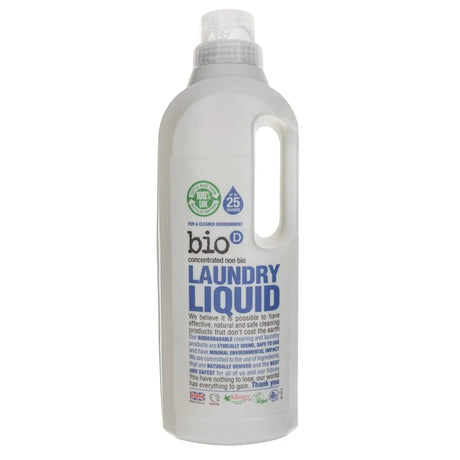

Bio-D
Bio-D Vasketøjsvæske uden parfume Non Bio - 1 L
Vejledende pris 92,59 krEnhedspris92,59 kr /l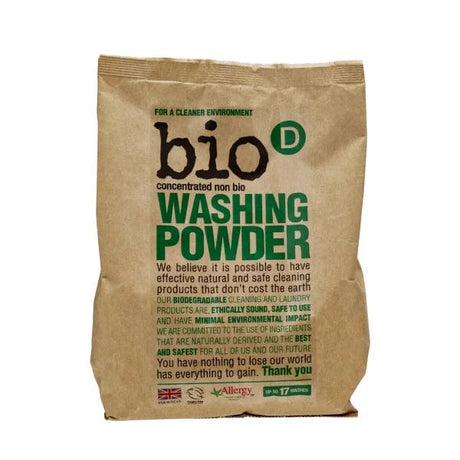


Swonco
Swonco Ultra Sensitive Vaskepulver uden parfume - 1500 ml
Vejledende pris 128,09 krEnhedspris85,39 kr /l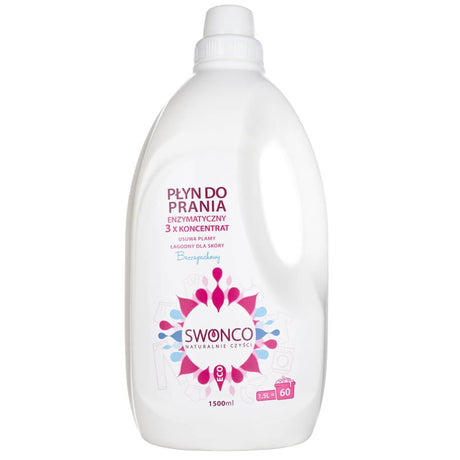


Swonco
Swonco Vasketøjsvæske Enzymatic, Parfumefri - 1500 ml
Vejledende pris 159,69 krEnhedspris106,46 kr /l


Skiftet: Praktiske bemærkninger
Hvis du overvejer at skifte fra konventionelle vaskemidler til et mineralbaseret eller naturligt alternativ, er overgangen enkel, men indebærer en kort tilvænningsperiode. Vaskemaskiner, der i årevis har været brugt med stærkt parfumerede eller enzymholdige vaskemidler, kan have ophobning af rester i tromlens tætning og selve tromlen. Kør et eller to tomme vaskeprogrammer med varmt vand – eller en vedligeholdelsesvask med et naturligt tromlerensemiddel – inden du skifter produkt, så du undgår, at rester fra det tidligere vaskemiddel påvirker de første naturlige vaske.
Til hvide tekstiler, som du er vant til at se strålende hvide: naturlige iltbaserede blegeadditiver (såsom Bio-D Laundry Bleach eller Baby Anthyllis Active Oxygen) kan bruges sammen med naturlige vaskemidler for at bevare hvidheden uden syntetiske blegemidler. Det fulde udvalg af økologiske husholdningsprodukter findes i vores sortiment af husholdnings- og rengøringsprodukter.
Denne artikel er kun til information og erstatter ikke lægelig rådgivning. Hvis du har helbredsproblemer, er gravid, ammer eller tager medicin, så kontakt en læge eller et apotek. Kosttilskud er ikke en erstatning for en varieret kost.


