

Led og knogler er blandt de mest belastede strukturer i kroppen — og blandt de mest oversete, indtil der opstår problemer. Ledproblemer rammer hundredvis af millioner af mennesker verden over, og når smerter eller stivhed bliver tydelige, er den underliggende forringelse ofte allerede langt fremskreden. Den opmuntrende nyhed er, at målrettet kosttilskud kan yde en meningsfuld støtte til bruskens integritet, knogletætheden, og ledfunktionen — både som forebyggelse og som en del af behandlingen af eksisterende lidelser.
Hvorfor der opstår led- og knogleproblemer
Ledforfald er en multifaktoriel proces. De mest almindeligt nævnte medvirkende faktorer omfatter genetisk disposition, metaboliske og endokrine lidelser, overvægt, fysisk inaktivitet, alder (risikoen stiger markant efter 40), dårlig kost — især en kost med lavt indhold af vigtige vitaminer og mineraler — samt mekanisk overbelastning som følge af gentagne skader eller mikrotraumer. Mange forskere fremhæver også betydningen af autoimmun dysfunktion, hvor kroppens eget immunsystem angriber ledvævet.
Der findes over 100 forskellige former for gigt og ledsygdomme. De mest udbredte omfatter leddegigt, slidgigt som følge af mekanisk slid, juvenil idiopatisk arthritis, spondyloartropatier, og gigt. Karakteristiske tidlige tegn — smerter, hævelse, stivhed, hudrødme omkring leddet, og nedsat bevægelsesområde — vises ofte først, når tilstanden allerede er veletableret, hvilket er grunden til, at proaktiv støtte giver betydeligt mere mening end at vente på symptomer.
De vigtigste strukturelle næringsstoffer
Knogler og brusk er ikke statiske væv — de nedbrydes og genopbygges løbende. Når balancen tipper i retning af nedbrydning — hvad enten det skyldes næringsstofmangel, aldersrelateret forringelse, eller betændelse — forringes strukturen. Målrettet tilskud adresserer denne balance direkte.
Kollagen — Det strukturelle protein
Kollagen er det mest udbredte protein i menneskekroppen og den primære strukturelle komponent i brusk, sener, ledbånd, og knoglematrix — skeletet består af ca. 90 % kollagen kombineret med calcium, fosfor, og magnesium. Kroppen syntetiserer kollagen naturligt, men produktionen falder fra omkring 25-års-alderen, falder endnu mere markant efter 50, og ophører stort set ved 60. Denne udvikling hænger tæt sammen med den typiske debut og progression af leddegeneration.
Kollagenkosttilskud — især hydrolyseret type II-kollagen, som er mest relevant for brusk — bidrager til at opretholde bruskenes hårdhed og elasticitet, øger produktionen af ledvæske (, hvilket reducerer friktionen i leddet), og understøtter knogletætheden. Det har også en beskyttende funktion mod patogener og toksiner og er velkendt for sine positive effekter på hudens elasticitet som en sekundær fordel. Udforsk vores dedikerede sortiment af kollagentilskud for tilgængelige muligheder.
Glucosamin og chondroitin
Glucosamin (et aminosukker afledt af glukose) og chondroitinsulfat (et glycosaminoglycan Glycan) er begge naturlige komponenter i brusk. Glucosamin indgår i proteo Glycan s — de molekyler, der giver brusk dets bærende egenskaber — mens chondroitin er et strukturelt element i selve bruskmassen. Sammen, påvirker de balancen mellem bruskdannelse og nedbrydning, selv i tilfælde af fremskreden molekylær patologi.
Den kliniske evidens er nuanceret: metaanalyser viser varierende resultater, og debatten om den relative effektivitet af hver enkelt forbindelse alene kontra i kombination fortsætter. Det, der er konsistent, er, at glukosamin øger volumenet og kvaliteten af synovialvæske, mens chondroitin reducerer syntesen af proinflammatoriske mediatorer. Begge findes i de fleste kvalitetsformuleringer af ledkosttilskud, ofte sammen med MSM.
MSM (Organisk svovl)
Methylsulfonylmethan (MSM) er en organisk svovlforbindelse, der let passerer blod-hjerne-barrieren og deltager i kollagensyntesen — og leverer det svovl, der er afgørende for bindevævets strukturelle integritet. Forskning viser moderate smertestillende og antiødemiske effekter, og der er voksende beviser for antiinflammatorisk aktivitet, selvom den fulde virkningsmekanisme stadig er ved at blive kortlagt. Regelmæssig tilskud forbedrer markører for immunfunktionen og har dokumenterede fordele for hudens, hårets, og neglenes sundhed. Dets optagelse forbedres, når det indtages sammen med C-vitamin.
Hyaluronsyre
Hyaluronsyre er et glykosaminoglykosid Glycan, der er centralt for ledhomeostasen. Det er den primære komponent i ledvæske, hvor det udfylder en dobbelt mekanisk rolle: det giver viskøs dæmpning under vedvarende belastning med lav belastning, såsom gang, og elastisk stødabsorbering under pludselige kræfter med høj belastning, såsom løb eller spring. I kombination med proteiner, opretholder det bruskenes hydrering og understøtter cellulær migration og strukturel regenerering. Oral hyaluronsyre har antiinflammatoriske og smertestillende egenskaber og har vist sig at gavne ledbiomekanikken selv ved moderate degenerative forandringer.


Aliness
Aliness Collagen Arthro Sprint - 60 kapsler
Vejledende pris 100,99 krEnhedspris1,68 kr pr. stk.
Doctor's Best
Doctor's Best Kollagen type 1 og 3 med peptan og C-vitamin 1000 mg - 180 tabletter
Vejledende pris 203,79 krEnhedspris1,13 kr pr. stk.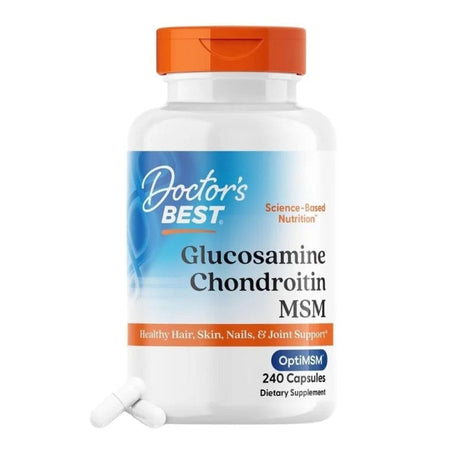
Doctor's Best
Doctor's Best Glucosamin Chondroitin MSM med OptiMSM - 240 vegetabilske kapsler
Vejledende pris 382,19 krEnhedspris1,59 kr pr. stk.


Swanson
Swanson Glucosamin, Chondroitin & MSM - 120 tabletter
Vejledende pris 123,89 krEnhedspris1,03 kr pr. stk.
Now Foods
Now Foods Hyaluronsyre med MSM 50 mg - 120 vegetabilske kapsler
Vejledende pris 202,09 krEnhedspris1,68 kr pr. stk.


Mineraler og vitaminer til knoglesundhed
Calcium
Calcium er den primære mineralkomponent i knogler — op til 99 % af kroppens samlede calcium er lagret i skelettet. Et tilstrækkeligt calciumindtag opretholder knoglemasse og -hårdhed og, hos ældre voksne, begrænser knogleresorption — hvilket reducerer den strukturelle skrøbelighed, der fører til brud. Mangel bidrager direkte til demineralisering og tab af knoglemasse, og i de mest alvorlige tilfælde til osteoporose. Sekundære roller omfatter normal blodkoagulation og transmission af nerveimpulser. Kosten lever ofte ikke op til behovet, og der er ofte problemer med optagelsen; det er her, kosttilskud pålideligt udfylder hullet.
D-vitamin
D-vitamin regulerer calcium- og fosformetabolismen, og opretholder den mineralhomeostase, der ligger til grund for en sund knoglestruktur. Mangel forårsager knoglesmerter og bidrager til osteoporose og osteomalaci (samt utilstrækkelig knoglemineralisering). Af afgørende betydning er det, at, der findes D-vitaminreceptorer i hver eneste immuncelle — hvilket gør det til en nøglefaktor i reguleringen af immunresponsen, og mangel herpå er stærkt forbundet med de autoimmune tilstande, der er blandt de førende årsager til ledsygdomme. Kliniske studier viser konsekvent signifikant lavere D-vitamin-niveauer hos patienter med leddegigt og andre muskuloskeletale lidelser. Gennemse vores fulde knogle, led- og brusk-kollektion for produkter, der imødekommer alle disse behov.
Naturlægemidler med antiinflammatorisk virkning
Flere plantebaserede forbindelser har veldokumenterede antiinflammatoriske og ledbeskyttende virkemåder, med en anvendelseshistorie, der strækker sig over århundreder, og en voksende mængde klinisk forskning.
Boswellia Serrata
Boswellia (Boswellia serrata), et harpiks-producerende træ fra Indien og Nordafrika og en hjørnesten i ayurvedisk medicin, skylder sine ledbeskyttende effekter primært til boswellinsyrer. Disse forbindelser modulerer inflammatoriske signalveje — specifikt ved at hæmme 5-lipoxygenase, et enzym, der er centralt for produktionen af leukotriener, som driver ledbetændelse. Kliniske studier understøtter dets effektivitet til at reducere smerter og forbedre mobiliteten ved slidgigt og reumatiske lidelser, med virkninger, der kan sammenlignes med visse NSAID'er, men uden de tilknyttede gastrointestinale bivirkninger. Lokal påføring som æterisk olie forbedrer desuden den lokale cirkulation og reducerer hævelse.
Ingefær
Ingefær (Zingiber officinale) indeholder gingeroler og shogaoler — forbindelser med kraftig antiinflammatorisk virkning. Ingefær hæmmer produktionen af både prostaglandiner og leukotriener, hvilket gør den terapeutisk relevant i de samme signalveje, som konventionelle ledmediciner er rettet mod. Ud over betændelse, forbedrer det lipidprofiler, har antimikrobielle og antioxidante egenskaber, og understøtter cirkulationen — hvilket bidrager til den generelle sundhed i ledvævet.


Now Foods
Now Foods Boswellia-ekstrakt 500 mg - 90 bløde kapsler
Vejledende pris 175,69 krEnhedspris1,95 kr pr. stk.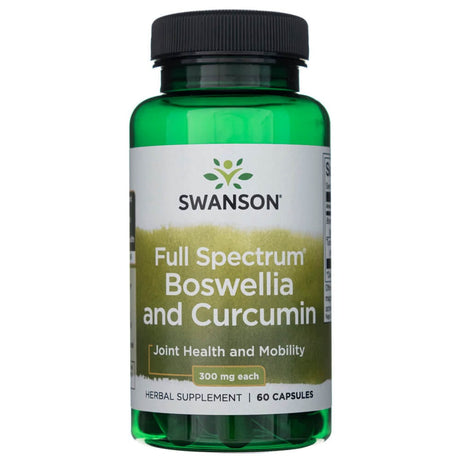


Swanson
Swanson Fuldspektret boswellia og curcumin - 60 kapsler
Vejledende pris 48,29 krEnhedspris0,80 kr pr. stk.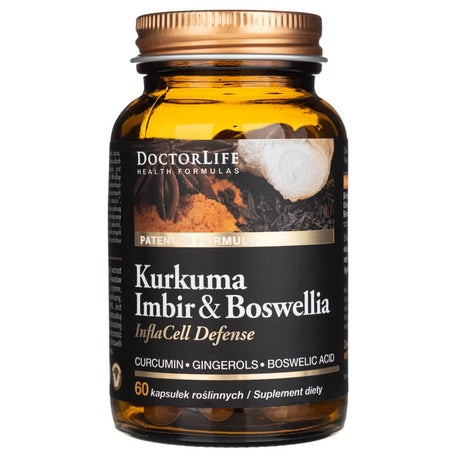


Doctor Life
Doctor Life Gurkemeje, Ingefær og Boswellia - 60 vegetabilske kapsler
Vejledende pris 275,79 krEnhedspris4,60 kr pr. stk.
Solgar
Solgar Calcium Magnesium med D3-vitamin - 150 tabletter
Vejledende pris 153,69 krEnhedspris1,02 kr pr. stk.
Doctor's Best
Doctor's Best MSM med OptiMSM 1500 mg - 120 tabletter
Vejledende pris 137,09 krEnhedspris1,14 kr pr. stk.


Denne artikel er kun til information og erstatter ikke lægelig rådgivning. Hvis du har helbredsproblemer, er gravid, ammer eller tager medicin, så kontakt en læge eller et apotek. Kosttilskud er ikke en erstatning for en varieret kost.


