

Det menneskelige immunsystem er et utroligt komplekst netværk, hvis opgave er at neutralisere vira, bakterier, og andre patogener, før de forårsager sygdom. Immunitet er noget, vi fødes med — men også noget, vi erhverver naturligt og opbygger gennem hele livet via vaccinationer, tidlig eksponering, og tidligere infektioner. Erhvervet immunitet kan også formes gennem aktiv pleje af vores egen sundhed. Det vigtigste at huske er, at dette tager tid og en vedvarende indsats — ægte immunforsvar opbygges ikke på en uge eller en måned, men gennem mange års daglige vaner.
Hvordan fungerer immunsystemet egentlig?
Immunsystemet fungerer på to niveauer: medfødt immunitet (det forsvar, du er født med) og adaptiv immunitet (reaktioner, som din krop udvikler gennem eksponering over tid). Medfødt immunitet fungerer som den første forsvarslinje — huden, slimhinderne, og hurtige inflammatoriske reaktioner. Adaptiv immunitet er mere sofistikeret; den lærer at genkende specifikke trusler og iværksætter stadig mere effektive reaktioner for hver gang den møder dem.
Denne skelnen er vigtig, for mens vi ikke kan påvirke den medfødte immunitet i væsentlig grad, er den adaptive immunitet meget modtagelig for livsstilsvalg. Hvad vi spiser, hvordan vi bevæger os, hvor godt vi sover, og hvilke kosttilskud vi tager, kan alle have en betydelig indflydelse på, hvor effektiv vores adaptive immunrespons bliver over tid.
Livsstilsgrundlag: Hvor skal man begynde
Intet kosttilskud kan erstatte et solidt livsstilsgrundlag. Udgangspunktet for at styrke immunforsvaret er en bred ændring af de daglige vaner. En afbalanceret kost — rig på grøntsager, frugt, fuldkorn, bælgfrugter, fed fisk, og fermenterede fødevarer — leverer de vitaminer, mineraler, og antioxidanter, som immunsystemet har brug for for at fungere korrekt. Fermenterede produkter som kefir, naturlig yoghurt, og surkål bidrager positivt til tarmmikrobiomets mangfoldighed, som i stigende grad anerkendes som centralt for immunregulering. Tarmen er hjemsted for ca. 70 % af immunsystemet, hvilket gør det, vi spiser, endnu mere afgørende end tidligere antaget.
Regelmæssig fysisk aktivitet er den anden hjørnesten. Daglig moderat motion — især udendørs — forbedrer cirkulationen, understøtter lymfedrænage, og hjælper med at dæmpe den kroniske, lavgradige betændelse, der over tid kan underminere immunfunktionen. Intensitet er mindre vigtig end regelmæssighed; en 30 minutters gåtur hver dag er mere værdifuld end en intens træningssession i fitnesscentret en gang om ugen.
Søvn og r Ecover y er ofte de mest undervurderede faktorer. Uafbrudt søvn på mindst 7 timer i et køligt (under 19 °C), mørkt, og roligt miljø er afgørende for regenerering af immunceller. Under søvn, producerer og udløser kroppen vigtige immunproteiner kaldet cytokiner. Vedvarende dårlig søvn kan reducere vacciners effektivitet, øge modtageligheden TiB for luftvejsinfektioner, og dæmpe den inflammatoriske reaktion på patogener. At reducere stimulanser — kaffe, alkohol, tobak — fjerner også en kronisk kilde til toksiner, der unødigt belaster immunforsvaret.
Vigtige vitaminer og mineraler til støtte for immunforsvaret
Selv en velafbalanceret kost kan medføre ernæringsmæssige mangler, især om efteråret og vinteren, hvor udbuddet af friske råvarer er begrænset. Målrettet kosttilskud kan hjælpe med at opretholde optimale niveauer af næringsstoffer, der er direkte involveret i immunfunktionen. De mest dokumenterede omfatter C-vitamin, D3-vitamin, zink, og omega-3-fedtsyrer.
C-vitamin bidrager til immunsystemets normale funktion og beskyttelse af celler mod oxidativt stress. D3-vitamin anerkendes i stigende grad som en nøglefaktor i immunresponsen — mangel er udbredt i hele Europa, især i de nordlige lande i vintermånederne, og er forbundet med øget modtagelighed TiB for luftvejsinfektioner. Zink understøtter udviklingen og funktionen af immunceller og spiller en rolle i reguleringen af inflammation. Omega-3-fedtsyrer (EPA og DHA) bidrager til hjertets normale funktion og har antiinflammatoriske egenskaber, der understøtter immunregulering. Udforsk vores kollektion af kosttilskud til immunsystemet for at se det fulde udvalg af tilgængelige muligheder.
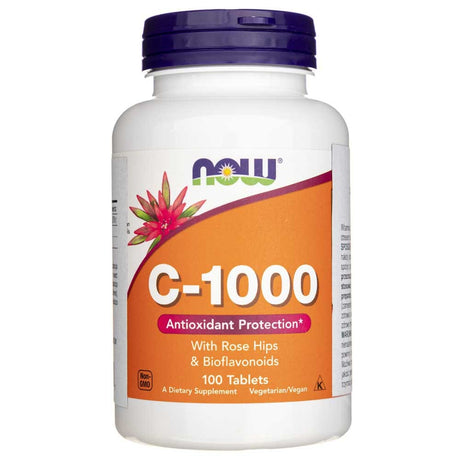


Now Foods
Now Foods C-1000-vitamin med hyben og bioflavonoider - 100 tabletter
Vejledende pris 85,89 krEnhedspris0,86 kr pr. stk.


Aliness
Aliness C-vitamin 1000 mg - 100 vegetabilske kapsler
Vejledende pris 98,29 krEnhedspris0,98 kr pr. stk.


Now Foods
Now Foods D3-vitamin 2000 IE - 240 bløde kapsler
Vejledende pris 88,59 krEnhedspris0,37 kr pr. stk.


Solgar
Solgar Zinkpikolinat 22 mg - 100 tabletter
Vejledende pris 108,79 krEnhedspris1,09 kr pr. stk.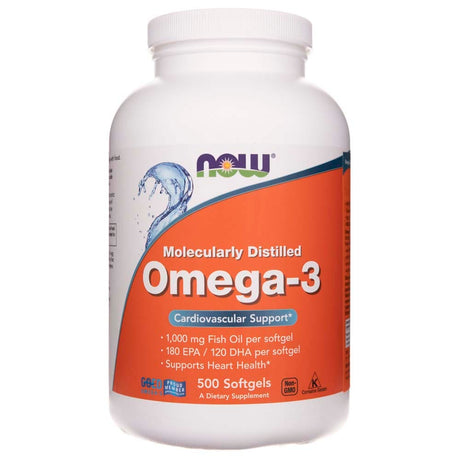


Now Foods
Now Foods Omega - 3,180 EPA / 120 DHA - 500 bløde kapsler
Vejledende pris 412,59 krEnhedspris0,83 kr pr. stk.


Aura Herbals
Aura Herbals D3-vitamin 2000 IE + K2 + Zink + Selen - 90 tabletter
Vejledende pris 81,59 krEnhedspris0,91 kr pr. stk.


Naturlægemidler og naturlige immunforstærkere
Ud over de vigtigste næringsstoffer, er der en række velundersøgte urter og naturlige forbindelser, der traditionelt er blevet brugt til at understøtte immunforsvarets modstandsdygtighed og kan hjælpe med at reducere hyppigheden eller sværhedsgraden af sæsonbetingede infektioner. Disse omfatter:
- Echinacea (Echinacea purpurea) — en af de mest undersøgte urter inden for immunstøtte, der traditionelt anvendes til sundhed i de øvre luftveje. Forskning tyder på, at den kan hjælpe med at regulere immuncelleaktiviteten.
- Propolis — et harpiksholdigt stof produceret af bier, der er rigt på flavonoider og kendt for sine antimikrobielle og antioxidante egenskaber.
- Andrographis (Andrographis paniculata) — en bitter urt, der er vidt udbredt i traditionel asiatisk medicin, og hvor der er voksende forskningsinteresse for dens rolle i at understøtte sundheden i luftvejene og immunforsvaret.
- Astragalus (Astragalus membranaceus) — en adaptogen rod fra traditionel kinesisk medicin, der traditionelt anvendes til langsigtet styrkelse af immunforsvaret og modstandsdygtighed.
- Beta-glukaner — polysaccharider, der findes naturligt i havre, byg, og medicinske svampe, som kan understøtte aktiviteten af immunceller såsom makrofager og naturlige dræberceller.
Hvis du ønsker at udforske plantebaseret immunstøtte sammen med vigtige næringsstoffer, indeholder vores urtetilskudskollektion nøje udvalgte produkter fra pålidelige mærker.


Now Foods
Now Foods Echinacea 400 mg - 100 vegetabilske kapsler
Vejledende pris 81,59 krEnhedspris0,82 kr pr. stk.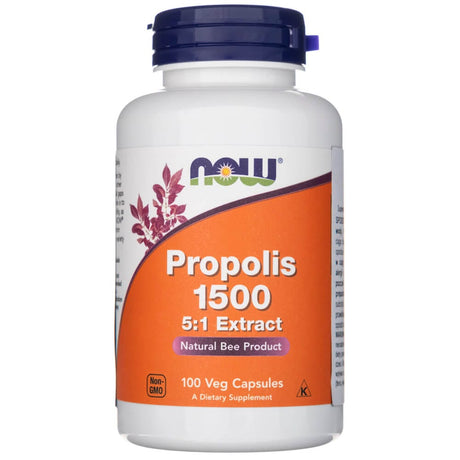
Now Foods
Now Foods Propolis 1500 - 100 vegetabilske kapsler
Vejledende pris 140,49 krEnhedspris1,40 kr pr. stk.


Now Foods
Now Foods Andrographis-ekstrakt 400 mg - 90 vegetabilske kapsler
Vejledende pris 114,09 krEnhedspris1,27 kr pr. stk.


Now Foods
Now Foods Beta-Glucans med ImmunEnhancer, Ekstra styrke - 60 vegetabilske kapsler
Vejledende pris 140,49 krEnhedspris2,34 kr pr. stk.


Praktiske tips til immunforsvaret året rundt
Opbygning af varig immunitet kræver en flerstrenget tilgang — ingen enkelt vane eller kosttilskud kan klare opgaven alene. Sådan kan en konsekvent rutine til støtte for immunforsvaret se ud året rundt:
- Oprethold et tilstrækkeligt niveau af D3-vitamin året rundt — tag kosttilskud gennem efteråret og vinteren (fra oktober til april i det meste af Europa) og få niveauet testet igen årligt, hvis det er muligt.
- Prioriter tarmhelbredet — indtag regelmæssigt fermenterede fødevarer; overvej om nødvendigt, et kvalitetsprobiotikum for at understøtte mikrobiomets mangfoldighed.
- Brug urtemedicin strategisk — echinacea og andrographis bruges ofte ved de første tegn på infektion snarere end kontinuerligt. Astragalus og beta-glukaner er mere velegnede til langvarig, løbende brug.
- Håndter stress aktivt — kronisk psykologisk stress er en af de mest potente hæmmere af adaptiv immunitet. Teknikker såsom regelmæssig udendørs aktivitet, tilstrækkelig hvile, og åndedrætsøvelser er alle effektive redskaber.
- Hold dig hydreret — tilstrækkeligt vandindtag understøtter lymfevæskens funktion og slimhindeimmuniteten (de fugtige slimhinder i næse, hals, og tarm, der fungerer som fysiske barrierer mod patogener).
Den vigtigste ændring i tankegangen er at betragte immunhelbred ikke som en hurtig løsning til forkølelses- og influenzasæsonen, men som en langsigtet investering. Resultaterne af disse ændringer akkumuleres gradvist — de fleste bemærker meningsfulde forskelle efter flere måneders konsekvente vaner, ikke dage. For yderligere læsning og et bredere udvalg af nøje udvalgte kosttilskud, kan du udforske vores samt vores fulde sortiment af vitaminer og kosttilskud.
Denne artikel er kun til information og erstatter ikke lægelig rådgivning. Hvis du har helbredsproblemer, er gravid, ammer eller tager medicin, så kontakt en læge eller et apotek. Kosttilskud er ikke en erstatning for en varieret kost.


