

Glucosamin er en vigtig ingrediens, der findes i mange kosttilskud til ledpleje. Det bruges i vid udstrækning til at lindre ledgener, understøtte ledbevægelighed, og bidrage til den generelle ledfunktion. Mens nogle betragter glucosamin som et stof med begrænset virkning, peger et stigende antal undersøgelser på dets positive rolle i opretholdelsen af sunde led. Men, som ethvert kosttilskud, har glukosamin potentielle bivirkninger — så det er vigtigt at vide, hvordan man bruger det korrekt.
Hvad er glukosamin
Glukosamin er et aminosukker, der forekommer naturligt i menneskekroppen. I kosttilskudsform findes det oftest som glukosaminhydrochlorid eller glukosaminsulfat. Forskning har vist, at glukosamin fungerer som en byggesten for forbindelser, der findes i ledbrusk, hvilket er grunden til, at det spiller en så vigtig rolle i at understøtte ledhelbredet.
Når vi bliver ældre, udøver intens fysisk aktivitet, eller bærer på overvægt, har kroppens naturlige produktion af glukosamin en tendens til at falde. Dette fald kan påvirke, hvor godt vores led fungerer, hvilket gør ekstern tilskud til en praktisk overvejelse. Glucosamin kan hjælpe med at lindre ledstivhed, understøtte smidigere bevægelser, og bidrage til at opretholde mobiliteten — fordele, der er vigtige både for aktive personer og atleter og for ældre voksne, der ønsker at forblive mobile i hverdagen.
Naturlige fødevarekilder til glukosamin
Selvom kroppen selv producerer glukosamin, kan kostkilder hjælpe med at opretholde tilstrækkelige niveauer. Fisk og skaldyr er særligt rige på dette stof — skaldyr som rejer, krabber, og krebs er blandt de bedste naturlige kilder. For mange mennesker kan det dog være en udfordring at opnå et meningsfuldt indtag gennem kosten alene, hvilket er grunden til, at glukosamintilskud fortsat er et populært valg.
Glucosaminsulfat vs. hydrochlorid — hvilken form er bedst
Glucosamintilskud findes typisk i to hovedformer: glucosaminhydrochlorid og glucosaminsulfat. Begge deltager i syntesen af proteo Glycan s — stoffer, der danner den strukturelle ramme for ledbrusk. Ved at understøtte denne proces, kan de hjælpe med at styrke og regenerere led, der er påvirket af slid eller skade.
Imidlertid, anses glucosaminsulfat generelt for at være den overlegne form. Dets biotilgængelighed når op på 89 %, hvilket betyder, at næsten hele det aktive stof fra hver dosis kommer ind i blodbanen og kan udnyttes af kroppen. Glucosaminsulfat ser også ud til at have mindre risiko for at interagere med andre lægemidler, hvilket kan være en vigtig overvejelse for personer, der behandler flere helbredsmæssige tilstande.
Hvis du er på udkig efter kosttilskud til ledstøtte, vil du finde et bredt udvalg af glukosaminprodukter fra pålidelige mærker. Her er nogle populære enkeltstående glukosaminprodukter:

Now Foods
Now Foods Glucosamin '1000' - 180 kapsler
Vejledende pris 199,29 krEnhedspris1,11 kr pr. stk.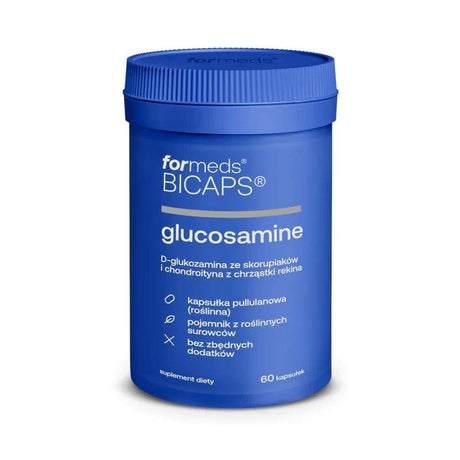


Haya Labs
Haya Labs Glucosaminsulfat 500 mg - 90 kapsler
Vejledende pris 70,19 krEnhedspris0,78 kr pr. stk.


Swanson
Swanson Glucosaminsulfat 2KCl 500 mg - 250 kapsler
Vejledende pris 131,69 krEnhedspris0,53 kr pr. stk.


Glucosamin med kollagen, Chondroitin, og hyaluronsyre
Mange formler til ledstøtte kombinerer glucosamin med andre supplerende ingredienser for en mere omfattende tilgang. At forstå, hvordan hver komponent virker, kan hjælpe dig med at træffe et informeret valg:
- Glucosamin — kan understøtte syntesen af kollagen og hjælpe med at beskytte bindevæv, hvilket bidrager til ledkomfort og -funktion
- Kollagen — et primært strukturelt protein i brusk, ledbånd, og sener, der understøtter ledfleksibilitet og modstandsdygtighed. For at opnå de bedste resultater tages, kollagen ofte sammen med C-vitamin
- Chondroitin — hjælper med at nære brusk og opretholde vævets elasticitet, hvilket potentielt reducerer ledstivhed. Det kombineres oftest med glukosamin
- og hyaluronsyre — en essentiel komponent i ledvæske, der hjælper med at dæmpe stød i leddene og reducere friktion mellem overfladerne
Disse ingredienser virker som regel bedst, når de bruges sammen, hvilket er grunden til, at formler med flere ingredienser er blandt de mest populære valg til ledpleje. Her er et udvalg af velansete kombinationskosttilskud:
Doctor's Best
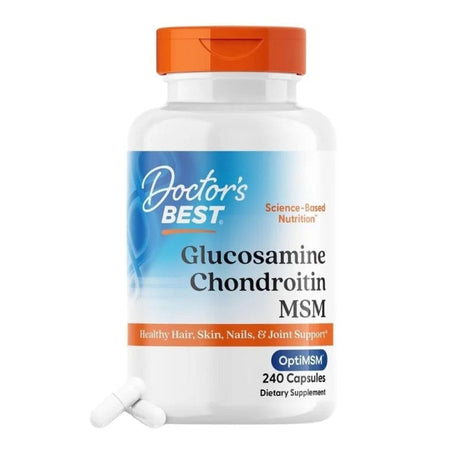
Doctor's Best Glucosamin Chondroitin MSM med OptiMSM - 240 vegetabilske kapsler
Vejledende pris 381,89 krEnhedspris1,59 kr pr. stk.


Solgar
Solgar Glucosamin Hyaluronsyre Chondroitin MSM - 120 tabletter
Vejledende pris 481,89 krEnhedspris4,02 kr pr. stk.
Now Foods
Now Foods Glucosamin & Chondroitin med MSM - 180 kapsler
Vejledende pris 280,89 krEnhedspris1,56 kr pr. stk.
Life Extension
Life Extension Glucosamin/Chondroitin – 90 kapsler
Vejledende pris 380,09 krEnhedspris3,80 kr pr. stk.


Swanson
Swanson Glucosamin Chondroitin og MSM - 120 tabletter
Vejledende pris 242,29 krEnhedspris2,02 kr pr. stk.


MSM's rolle i ledstøtte
Du vil måske bemærke, at mange glukosaminformler også indeholder MSM (methylsulfonylmethan), en organisk svovlforbindelse. MSM er værdsat i kosttilskud til ledhelbred, fordi svovl er et nøgleelement i dannelsen af bindevæv. Kombineret med glukosamin og chondroitin, kan MSM yderligere understøtte ledkomfort og fleksibilitet, hvilket gør det til en almindelig ingrediens i omfattende ledplejeprodukter.
Potentielle bivirkninger ved glukosamintilskud
Selvom glukosamin forekommer naturligt i kroppen, kan tilskud forårsage bivirkninger hos nogle mennesker. De mest almindeligt rapporterede problemer vedrører fordøjelsessystemet — herunder mavebesvær, oppustethed, diarré, eller forstoppelse. Disse bivirkninger er normalt milde og forbigående, og ofte forbundet med forkert dosering.
Det er også værd at bemærke, at mange glukosamintilskud stammer fra skaller af marine organismer såsom rejer og krabber. Personer med en kendt allergi over for skaldyr bør udvise særlig forsigtighed og måske vælge syntetisk fremstillet glukosamin i stedet — et mindre almindeligt, men allergivenligt alternativ.
Sådan tager du glucosamin — Dosering og praktiske tips
Glucosamin fås oftest i tablet- eller kapselform. For at opnå de bedste resultater, skal du følge disse praktiske retningslinjer:
- Følg producentens dosering — overskrid ikke det anbefalede daglige indtag, som typisk udgør to eller tre doser om dagen
- Indtag med rigeligt vand — dette fremmer korrekt opløsning og optagelse af det aktive stof
- Vær tålmodig og konsekvent — glucosamin kræver normalt mindst seks til otte ugers regelmæssig brug, før der kan ses mærkbare resultater
- Overhold den anbefalede varighed — følg den anvendelsesperiode, der er angivet af producenten, og konsulter en sundhedsperson ved langvarig tilskud
Hvem kan have gavn af glukosamintilskud
Glukosamin kan være særligt relevant for flere grupper af mennesker. Ældre voksne, der oplever aldersrelateret ledstivhed, atleter og fysisk aktive personer, der belaster deres led ekstra, samt alle, der ønsker at understøtte ledfunktionen på lang sigt, kan finde glukosamin et værdifuldt supplement til deres rutine. Hvis du er i gang med at udarbejde en bredere wellness-plan, kan du også overveje at udforske hele udvalget af vitaminer og kosttilskud, der er tilgængelige hos Medpak, for at understøtte din sundhed fra flere vinkler.
Hovedpointe: Glucosamin er et vidt undersøgt stof, der kan understøtte ledkomfort, bevægelighed, og bruskens sundhed. Glucosaminsulfat har den bedste biotilgængelighed, og ved at kombinere det med chondroitin, kollagen, hyaluronsyre, eller MSM kan man opnå en mere omfattende støtte til leddene. Følg altid de anbefalede doser, og konsulter en sundhedsperson, hvis du har underliggende helbredsproblemer.
Denne artikel er kun til information og erstatter ikke lægelig rådgivning. Hvis du har helbredsproblemer, er gravid, ammer eller tager medicin, så kontakt en læge eller et apotek. Kosttilskud er ikke en erstatning for en varieret kost.


