

High temperatures in summer are a fact of life for most of us, and a heatwave can leave even fit, healthy people feeling drained. When the heat sets in, the body switches into active cooling mode — a process that uses up a lot of water, minerals, and energy. This guide walks through how heat affects the body and what genuinely helps you feel better as the next heatwave arrives.
Why Heat Is a Challenge for the Body
The human body works best within a narrow range of internal temperature, so any heatwave forces it into overdrive to keep that balance. The main cooling mechanism is sweating — as sweat evaporates from the skin, it carries excess heat away with it. The stronger and longer the heat, the harder the sweat glands work, and the more fluid the body loses over the course of a day.
The catch is that sweat carries away more than water — it also takes valuable electrolytes with it, mainly sodium, potassium, magnesium, and calcium. At high temperatures, these losses can be significant, and disrupted fluid and electrolyte balance is behind much of the discomfort we associate with heat: fatigue, headaches, muscle cramps, and difficulty concentrating.
Who Is Particularly at Risk?
Older adults (65+), young children, people with chronic health conditions, and those taking medications that affect fluid balance are especially vulnerable to high temperatures. In these groups, the thirst mechanism is often weaker, so it's worth drinking fluids on a regular schedule rather than waiting to feel thirsty.
Staying Hydrated in the Heat — How Much and What to Drink
Hydration is the foundation of feeling well during hot weather. An adult typically needs around 2 liters of fluid a day, but at high temperatures and with physical activity, that need can rise to as much as 3–3.5 liters. Plain water — still, mineral, or filtered — remains the best default choice, and with heavy sweating, it's worth adding electrolytes and minerals dissolved in water.
Not every drink hydrates equally well. Coffee and strong tea have a mild diuretic effect, alcohol accelerates fluid loss, and sugary sodas mostly just deliver sugar. On hot days, water, chilled herbal infusions, diluted fruit juices, or water with lemon and mint tend to be better choices. Drinks are best served cool rather than ice-cold, which can be harder on the stomach.
Electrolytes — Why They Matter So Much in the Heat
Electrolytes are minerals that exist in body fluids as charged particles, and they're responsible for nerve signaling, muscle function, and fluid balance. During a heatwave, we lose them through sweat faster than usual, which means drinking plain water alone isn't always enough — without minerals, the body struggles to actually use the water it takes in.
Key Electrolytes Lost Through Sweat
- Sodium — the main electrolyte in sweat, central to fluid balance; its loss is felt most with heavy sweating.
- Potassium — works alongside sodium and plays a role in muscle and nervous system function.
- Magnesium — involved in hundreds of enzymatic reactions, important for muscles and nerves.
- Calcium — beyond its role in bones, it's involved in muscle contraction and nerve signaling.
Magnesium contributes to normal muscle and nervous system function and to the reduction of tiredness and fatigue — and fatigue is a frequent companion of hot days. Potassium supports normal function of the nervous system and muscles, and helps maintain normal blood pressure. Calcium, alongside its well-known role in bone health, is involved in normal muscle function.
A well-balanced diet covers a good portion of these electrolytes. With heavy sweating, prolonged effort in the sun, or physical work in the heat, though, it's worth considering extra mineral support — a magnesium supplement or a complete electrolyte formula that dissolves quickly in water can help.
Vitamins That Support the Body in Summer
Summer heat means not just higher temperatures but also stronger sun exposure and greater UV radiation, which increases the formation of free radicals in the skin. This is where vitamin C is useful — it contributes to the protection of cells from oxidative stress and to the reduction of tiredness and fatigue. Good dietary sources include peppers, parsley, blackcurrants, citrus fruit, and strawberries — foods many of us already eat more of in summer. Sensible sun protection remains important regardless of diet.
In summer, when we spend more time outdoors, skin produces vitamin D under sun exposure, and this vitamin contributes to normal absorption of calcium and to the maintenance of normal bones. It's worth keeping in mind that sunscreen — which is strongly recommended for skin protection — reduces this natural synthesis, so for some people, supplementation can still be worthwhile even in summer, ideally after checking blood levels with a healthcare professional.
What to Eat (and Avoid) During a Heatwave
Appetite naturally drops in the heat, and the body tends to prefer light, cooling meals. This is a good moment to lean on foods high in water and minerals: fresh vegetables and fruit, cold soups, salads, yogurt, or chilled vegetable soups. This way of eating is easy on digestion while also supporting hydration and replacing some of the vitamins and minerals lost through sweat.
Particularly useful during hot weather are watermelon, cucumber, tomato, zucchini, celery, strawberries, and melon — they're up to 90–95% water, plus a good source of potassium and other minerals. It's also worth including a reasonable amount of sodium-containing foods, since sodium is what we lose most heavily through sweat.
What's better to avoid? Heavy, fatty, and fried foods, which raise the body's "thermic" load and intensify the feeling of heat. Go easy on large portions of meat, fast food, and salty snacks without enough fluids alongside, and be cautious with alcohol, which dehydrates and makes temperature regulation harder exactly when it's needed most.
Practical Ways to Get Through a Heatwave
Good habits can make even an uncomfortable heatwave manageable. Start with clothing: choose loose, breathable garments in natural fabrics (cotton, linen) in light colors that reflect sunlight. Outdoors, protect your head with a hat and don't forget sunglasses.
Plan your day so that the most demanding activities — walks, errands, exercise, gardening — happen in the morning or late afternoon, avoiding the 11am–4pm window when the sun is strongest. Indoors, keep windows closed and shaded during the day, and air out the space in the evening and at night, once it's cooled down.
When the heat really bites, simple cooling tricks work fast: a cool (not icy) shower, wetting the back of the neck and wrists, a cool compress on the forehead, or soaking your feet in cold water. Cutting back on oven use and other appliances that heat up the kitchen air helps too.
When Heat Becomes Dangerous — Warning Signs
While heat is usually just uncomfortable, in extreme cases overheating can become serious. Warning signs include intense headache and dizziness, nausea, weakness, a fast heart rate, muscle cramps, confusion, and — in more severe cases — hot, dry skin and altered consciousness. These are symptoms that should never be ignored.
Someone showing signs of overheating should be moved to a cool, shaded spot as quickly as possible, made comfortable, have excess clothing removed, and be cooled with damp compresses or fanning. If they're conscious, offer small sips of cool water. Keep monitoring their condition closely until help arrives.
For daily support during hot weather, explore our magnesium supplements, vitamin C, or isotonic and electrolyte drinks — and for sun protection, take a look at our sun protection range.


Vitaler's
Vitaler's Kaliumcitrat 380 mg - 60 kapsler
Vejledende pris 43,89 krEnhedspris0,73 kr pr. stk.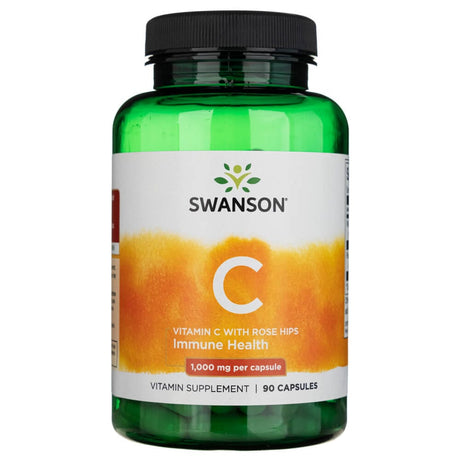


Swanson
Swanson C-vitamin med hyben 1000 mg - 90 kapsler
Vejledende pris 59,79 krEnhedspris0,66 kr pr. stk.


Vitaler's
Vitaler's D3-vitamin 4000 IE - 120 bløde kapsler
Vejledende pris 40,39 krEnhedspris0,34 kr pr. stk.


Key Takeaway: Heat pushes the body into active cooling mode, and sweating carries away both water and essential electrolytes — leading to fatigue, headaches, and cramps. Stay ahead of it with regular hydration (2–3.5 liters a day), electrolyte support during heavy sweating, a light and water-rich diet, and sensible daytime planning. Know the warning signs of overheating, and don't hesitate to call for emergency help if confusion or loss of consciousness occurs.
Denne artikel er kun til information og erstatter ikke lægelig rådgivning. Hvis du har helbredsproblemer, er gravid, ammer eller tager medicin, så kontakt en læge eller et apotek. Kosttilskud er ikke en erstatning for en varieret kost.


